
Elections in Latin America: Why Region's Far Right Is on the Rise
Just minutes after polls closed on June 7, 2026, the first exit polls gave Keiko Fujimori the advantage in the runoff of the Peruvian presidential election. This was her fourth attempt to become president of a country that has had eight presidents in the last decade. The daughter of former and controversial president Alberto Fujimori, Keiko Fujimori, has been determined to restore the legacy of her father, an extreme right-wing populist leader.
But things grew complicated: in the actual vote count, Fujimori's lead began to shrink, and around 9:09 PM, supporters of the left-wing candidate, Roberto Sánchez, began to celebrate what seemed to be an imminent victory—and a fourth defeat for Fujimori. But Peruvians woke up to yet another plot twist: as the vote count advanced, Fujimori was now ahead again. Two weeks later, it was still unclear who would be Peru’s next president. By Tuesday, June 23, the difference between the two candidates was around 40,000 votes, or less than 0.23 percentage points.
The election in Peru is only a dramatic version of what has happened in Latin American countries in the most recent elections.
Why Latin America Votes for the Far Rights
After Javier Milei (La Libertad Avanza — libertarian right) won the presidential election in Argentina in 2023, a rightward shift has been underway in Latin America, and the countries where elections were held earlier in this cycle or are still pending—Bolivia, Chile, Ecuador, Peru, and Colombia—are no exceptions. What we are witnessing is a clear confrontation between far-right-wing candidates and left-wing candidates, with no real center-right or center-left options surviving into the decisive rounds of any of these contests.
The three most recent elections have occurred in three of the most commodity-dependent countries—Colombia, Ecuador, and Peru—where GDP grows by roughly 2–3% per year. These countries also exhibit high levels of income inequality, with Gini coefficients of roughly 46 in Ecuador, 40 in Peru, and 54 in Colombia. In parallel with—or perhaps as a consequence of—such inequality, organized crime in these countries, and in the region generally, has fragmented and internationalized, with gangs splintering into more numerous and more violent factions, making public safety one of voters' top concerns.
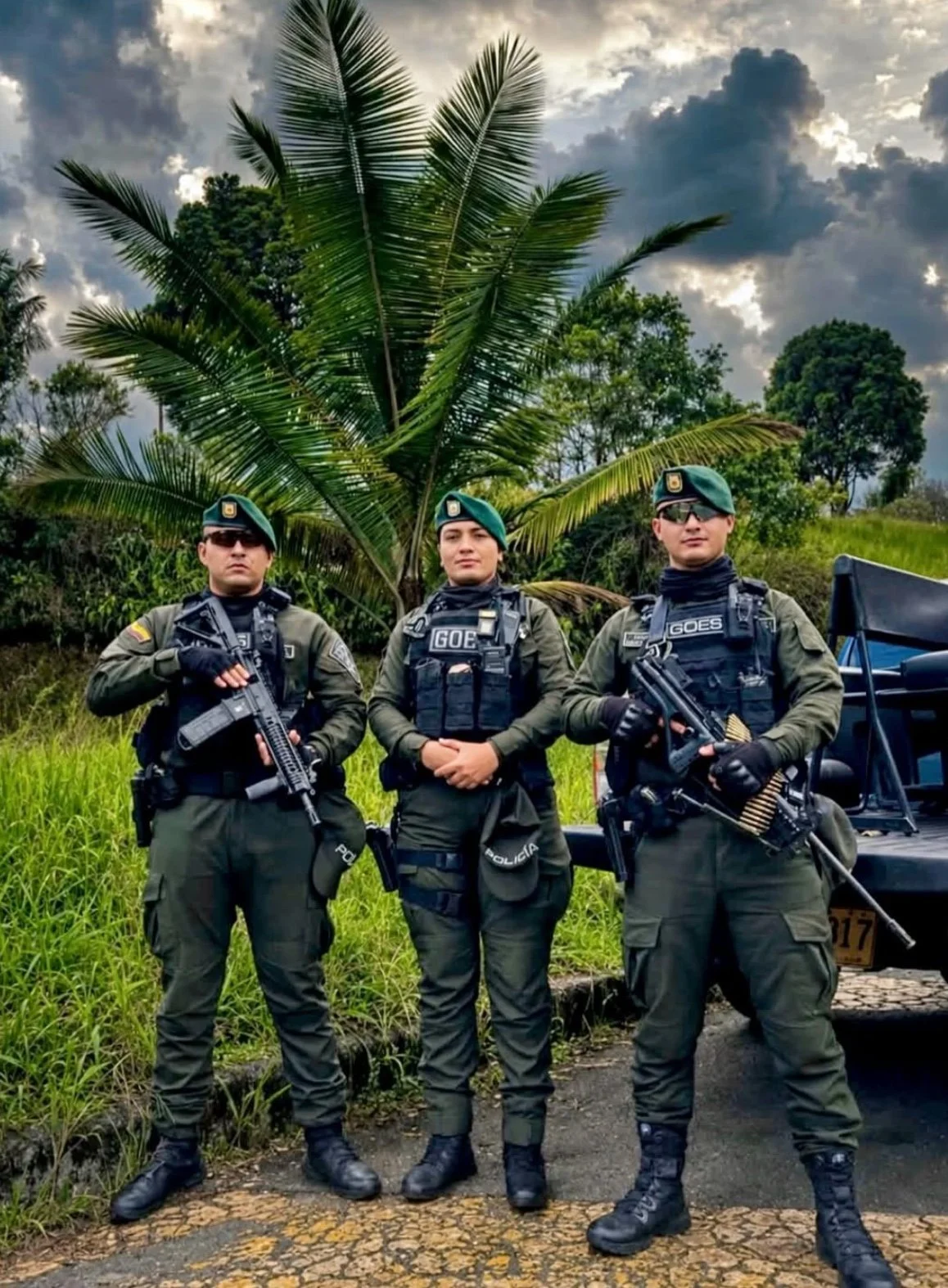
Colombian police
Instagram: Policía Nacional de Colombia
Such structural inequality, combined with rising public insecurity, has fed intense polarization and produced clear-cut electoral agendas. In Latin American elections, left-wing candidates have stressed the urgency of reducing inequality as a long-term path to lower crime. Right-wing candidates, by contrast, have taken more extreme anti-crime positions, proposing a mano dura (iron fist) approach. This has become a shared template across the region's far-right candidates, following the security policy explicitly modeled on Nayib Bukele's El Salvador, which includes mass incarceration and disregard for human rights.
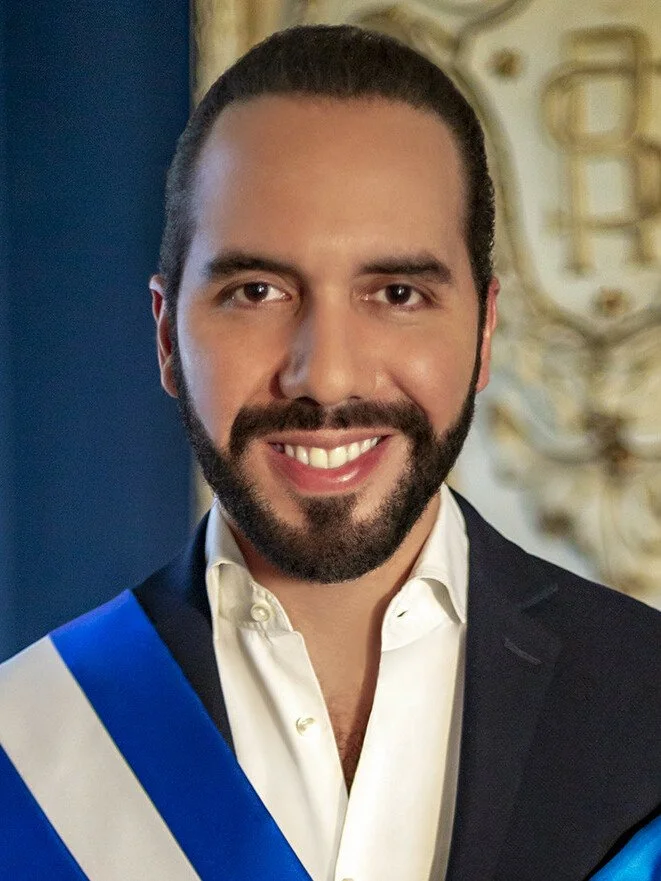
President of El Salvador Nayib Bukele
Wikimedia: AndreX - Eigenes Werk
On the economic side, the Bukele recipe prescribes fiscal orthodoxy and pro-market policies. These candidates also share hardline anti-immigration stances and tight alignment with Washington. The coalitions they are assembling fuse traditional conservative voters with crime-weary working- and middle-class voters who might previously have voted left, which is a security-driven realignment rather than a purely ideological one. So far, the Bukele template has proven quite attractive to Latin American voters.
How long this right-wing wave will last remains unclear. The problems these candidates will face once in office are structural rather than momentary: maximalist, Bukele-style promises are far harder to deliver in countries with stronger courts, weaker state capacity, and more fragmented legislatures than El Salvador. The same anti-incumbent tide now sweeping out the left could therefore turn on the right, once they own the crime statistics and the economic numbers. Ecuador's Noboa, as the section below shows, is the live preview of exactly this dynamic.
There is also a regional factor that may strengthen the far right's rhetoric or accelerate its decline. Brazil's presidential election seems to be a pivotal moment for the region. The country is currently governed by the left, and Lula (Workers' Party / PT), at 80, is seeking re-election. If he wins, we may be near the peak of the right-wing curve; if the son of former far-right president Jair Bolsonaro prevails, the rightward shift could be entrenched for years. As the region's most powerful player, Brazil would not move alone: a government in Brazil tilting right would reinforce far-right governments across the region, potentially influencing neighboring Uruguay and beyond.
Ecuador: When Mano Dura Meets Reality
Daniel Noboa (National Democratic Action / ADN) first won the presidency in the snap election of late 2023, then was decisively re-elected in April 2025, defeating Luisa González (Citizen Revolution / RC) by 55.8% to 44%.
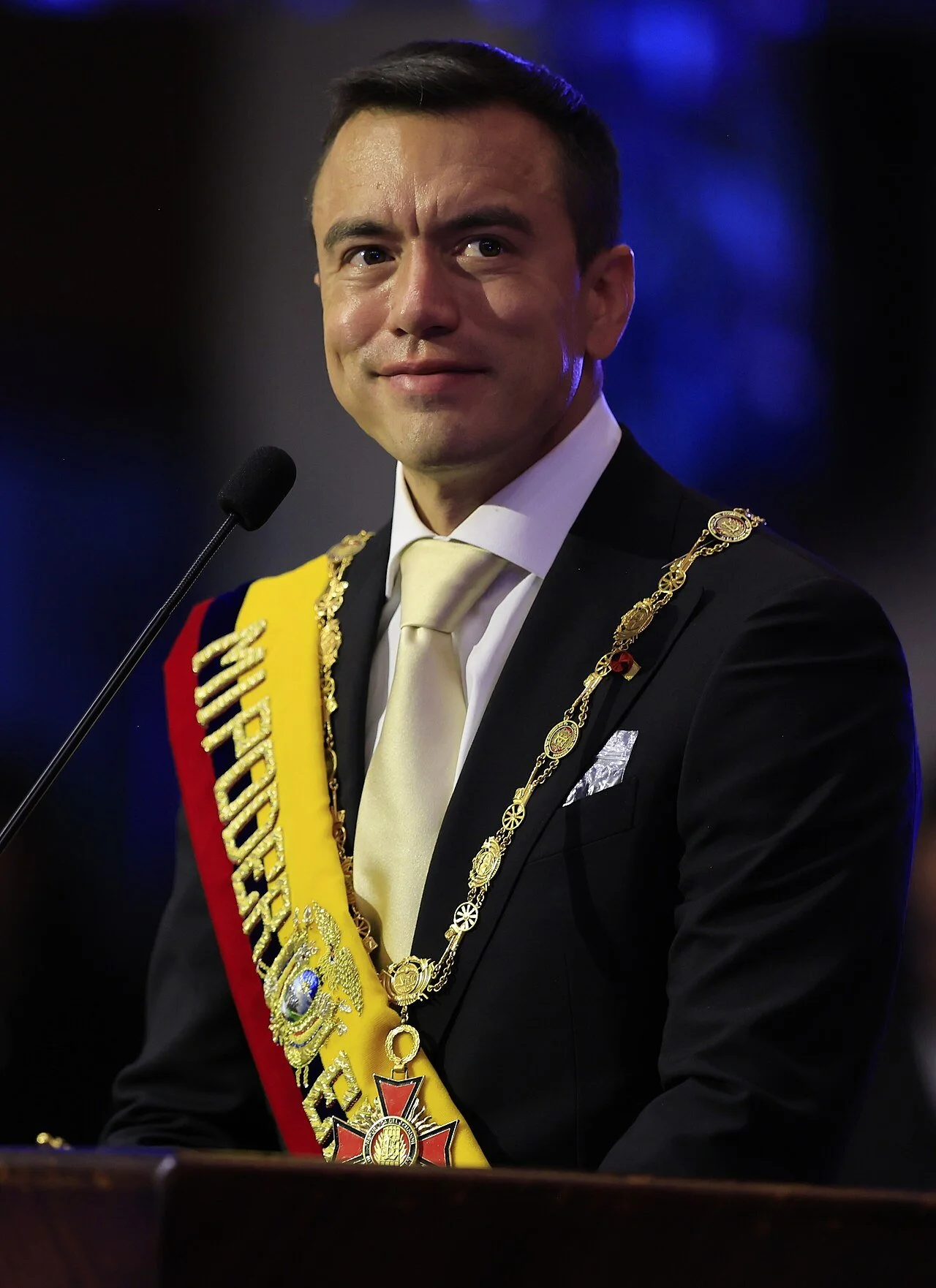
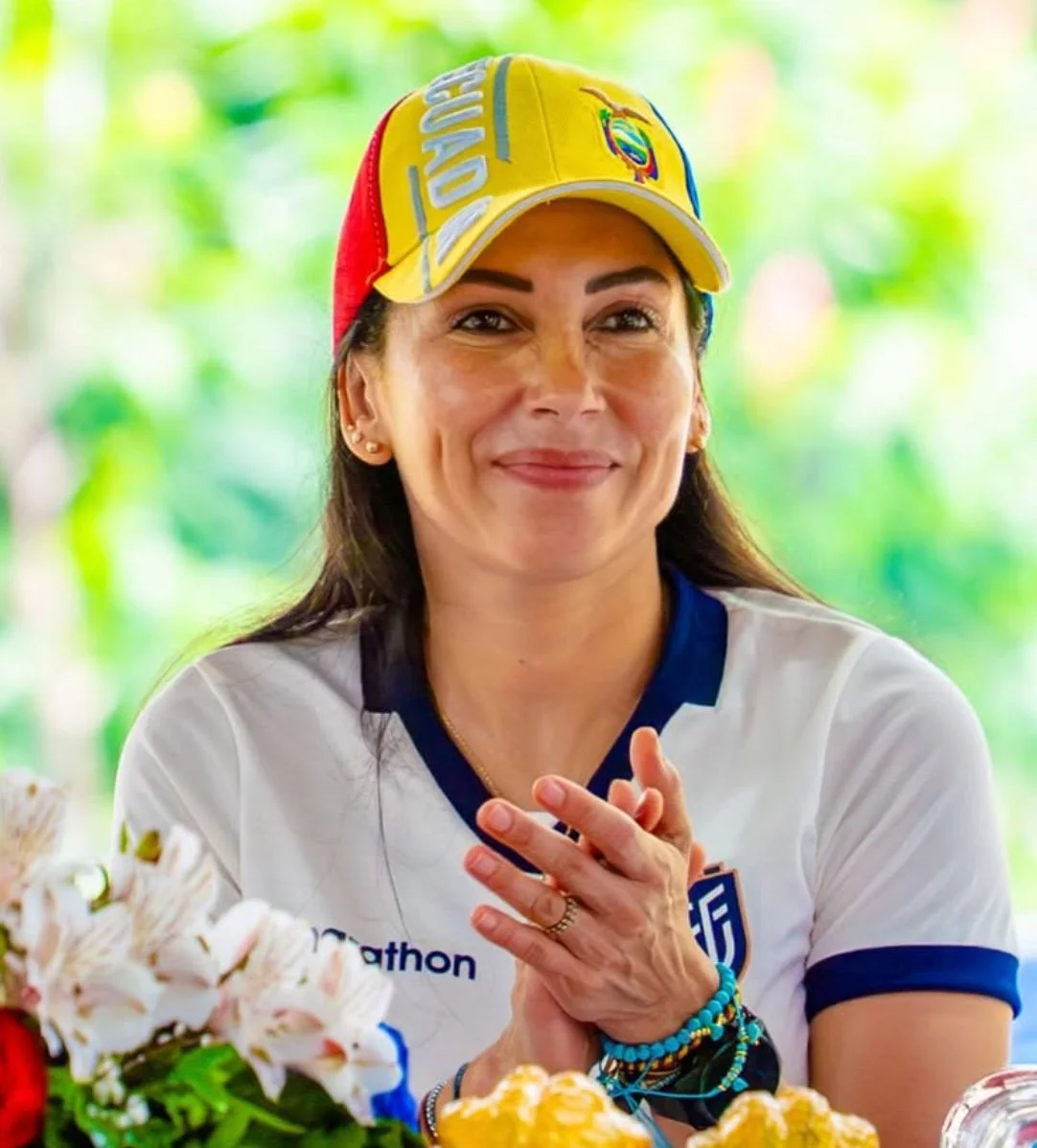
That landslide masked how close the contest had been in the first round—the two finished within roughly 20,000 votes of each other, suggesting how entrenched the country's roughly 50/50 polarization between the Noboa bloc and the Correa-aligned left really is. Despite the re-election margin, his support had eroded since.
His political platform sits somewhere between center-right and the far right, ideologically aligned with Trump. On the one hand, Noboa is firmly pro-market and has worked to comply with IMF conditions. On the other hand, he wages a militarized mano dura campaign against organized crime, having formally declared an "internal armed conflict" and deployed the military against the gangs. His approach blends two models: the war on drugs Felipe Calderón launched in Mexico in 2006, which had catastrophic results (a sharp increase in violence and abuses of human rights), and Bukele's strategy in El Salvador.
On minority rights, Noboa governs by priorities rather than ideology: he has not launched a Milei- or Trump-style frontal assault on minorities, but his two governing obsessions—security and IMF-driven extractive economics—have crowded rights off the agenda and, in the Indigenous case, put him in direct, sometimes violent conflict. To meet IMF conditions, his government downgraded the Environment Ministry, reopened the mining registry after a seven-year freeze, and pushed legislation reducing constitutionally protected free, prior, and informed consent to a near-formality, while the 2025 national strike met a militarized response in which Noboa branded some Indigenous protesters “terrorists.”
On LGBTQ+ rights, he is quietly unsupportive rather than openly hostile—Ecuador's relatively progressive framework (same-sex marriage, anti-discrimination protections, a conversion-therapy ban) flows from the courts and largely predates him, and recent advances have come despite his stated defense of the “traditional family.” On women's rights, the pattern is institutional neglect: the Ministry of Women was folded into the security-oriented Ministry of Government even as violent deaths of women and girls nearly doubled year-on-year, and abortion remains criminalized except in narrow cases.
Noboa's inability to deliver on his security promises has been the main driver of his eroding popularity. The program looked adequate on paper but proved very hard to implement. He tried to replicate the mano dura models from elsewhere. Still, Ecuador is neither as small and relatively uniform as Bukele's El Salvador (around six million people) nor does it possess the military capacity of a country like Mexico. And the Bukele template itself is contested: in El Salvador, the crackdown has coincided with serious and rising human-rights violations, even where it has driven headline crime numbers down. The clearest evidence of Noboa's limits is the November 2025 referendum, in which voters rejected all four of his proposals—foreign military bases, an end to public party funding, a smaller National Assembly, and, most consequentially, a constituent assembly to rewrite the 2008 constitution.
Despite the referendum defeat, the deteriorating security picture, and the highest homicide rate in Latin America, Noboa has managed to adopt right-wing policies to provide macroeconomic stability. He eliminated a diesel subsidy costing over $1 billion a year (with notably muted protests compared with 2019 and 2022), raised VAT from 12% to 15%, and—per the IMF—regained access to international capital markets in early 2026.
Peru: A Nation Divided by 40,000 Votes
In Peru's presidential election, we have witnessed an exceptionally tight runoff between Keiko Fujimori (Popular Force / Fuerza Popular — right) and Roberto Sánchez (Together for Peru / Juntos por el Perú — left). She appears to have won, but the result has not yet been formally certified by the National Board of Elections (Junta Nacional Electoral/JNE).
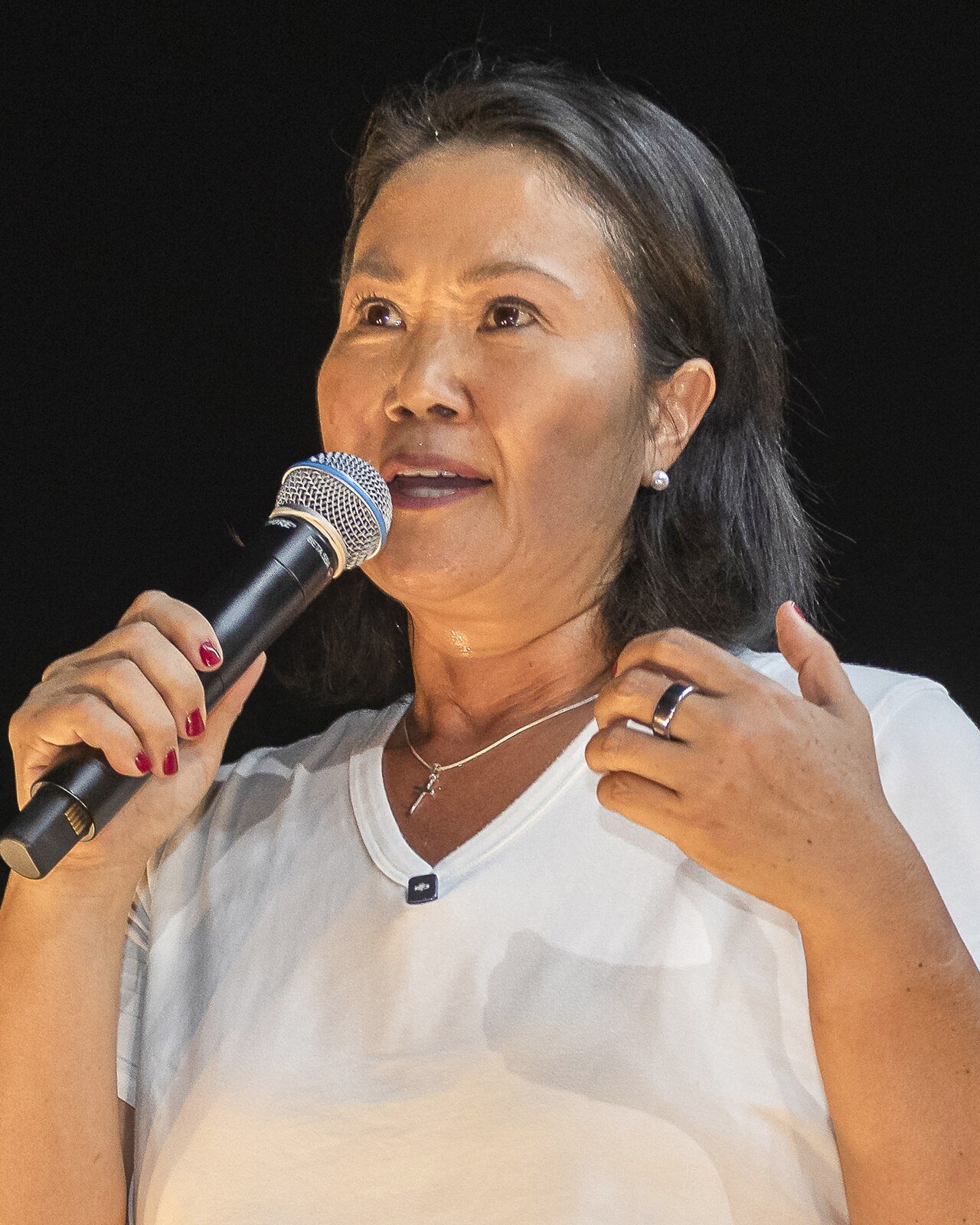
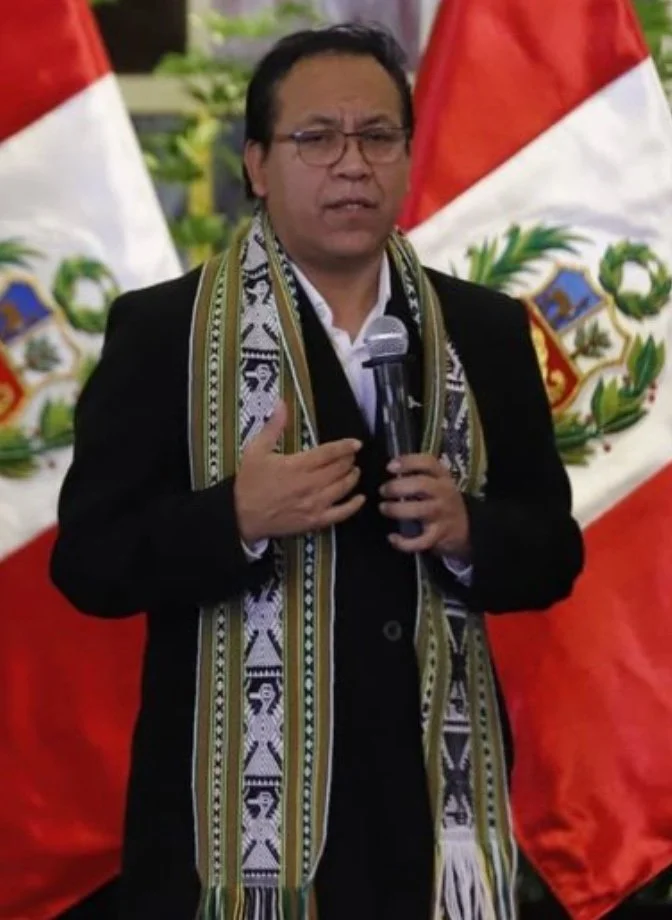
Fujimori has run for president four times—2011, 2016, 2021, and 2026—and reached the runoff every single time, a unique distinction in modern Peruvian politics. Her recurring obstacle in the first three was the “anti-Fujimori” vote, a reliable cross-ideological coalition assembled by opponents who framed her as the return of her father's authoritarianism. Analysts noted she ran a more calculated 2026 campaign specifically to shed the stark “communism vs. democracy” framing that backfired in 2021.
Even with a win, she would still need to build congressional alliances, because Peru's party system is extraordinarily fragmented—the first round featured 36 candidates, and she finished first with just 17.19% to Sánchez's 12.03%. Her one structural asset is that Fuerza Popular topped both houses of the new Congress, giving her a legislative base her recent predecessors lacked. Whether that produces governing capacity or merely a different configuration of gridlock is the open question.
Following the familiar regional pattern, Fujimori has promised mano dura against organized crime and market continuity, while protecting the mining-driven economic model and adopting a friendlier line toward Washington. But she is one of Peru's most polarizing figures, and voters are unlikely to tolerate anything resembling a repeat of her father's presidency.
She therefore needs to be different, and everything she does will be watched extremely closely. If she cannot build alliances in Congress, she risks being removed, as several predecessors were. Crucially, what her father did would be very hard to replicate today: the institutions are likely stronger, civil society more active, and her own political support far narrower than his was at his peak.
Roberto Sánchez built his campaign on fighting inequality and broadened his appeal late, courting rural voters and promising police reform and anti-poverty measures.
But he may have made a decisive electoral miscalculation by proposing a new constitution drafted through "citizen participation" and floating a pardon for the imprisoned former president Pedro Castillo. This reinforced the narrative that a Sánchez win meant instability — a narrative Fujimori exploited expertly, urging turnout precisely because Sánchez represented a threat to stability, mobilizing voters who might otherwise have stayed home. In a highly polarized country, that framing was very likely worth the fraction of a point that separated them.
Given the minuscule margin, the JNE's formal proclamation may itself trigger post-electoral conflict—potentially large-scale demonstrations—whichever way it lands. The likelier path is continued fragmentation rather than stabilization. The drivers of Peru's political fragmentation— an ungovernable Congress, weaponized impeachment, weak parties, judicial-political warfare—all remain in place, and Fujimori’s congressional plurality might only dampen the impeachment cycle if she can hold a coalition together.
Colombia: How Violence Wrote the State’s Ballot
The first round produced a runoff, scheduled for 21 June, 2026, between Abelardo de la Espriella (Defenders of the Homeland / Defensores de la Patria — far right) and Iván Cepeda (Historic Pact / Pacto Histórico — left).
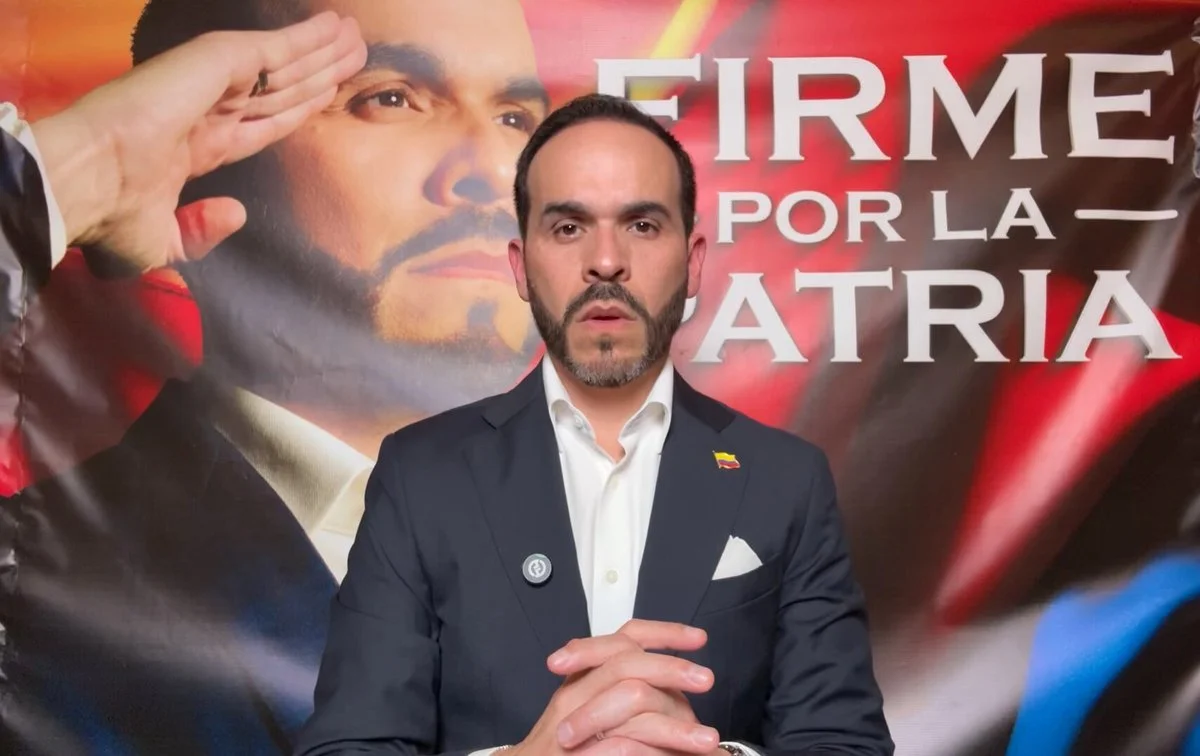
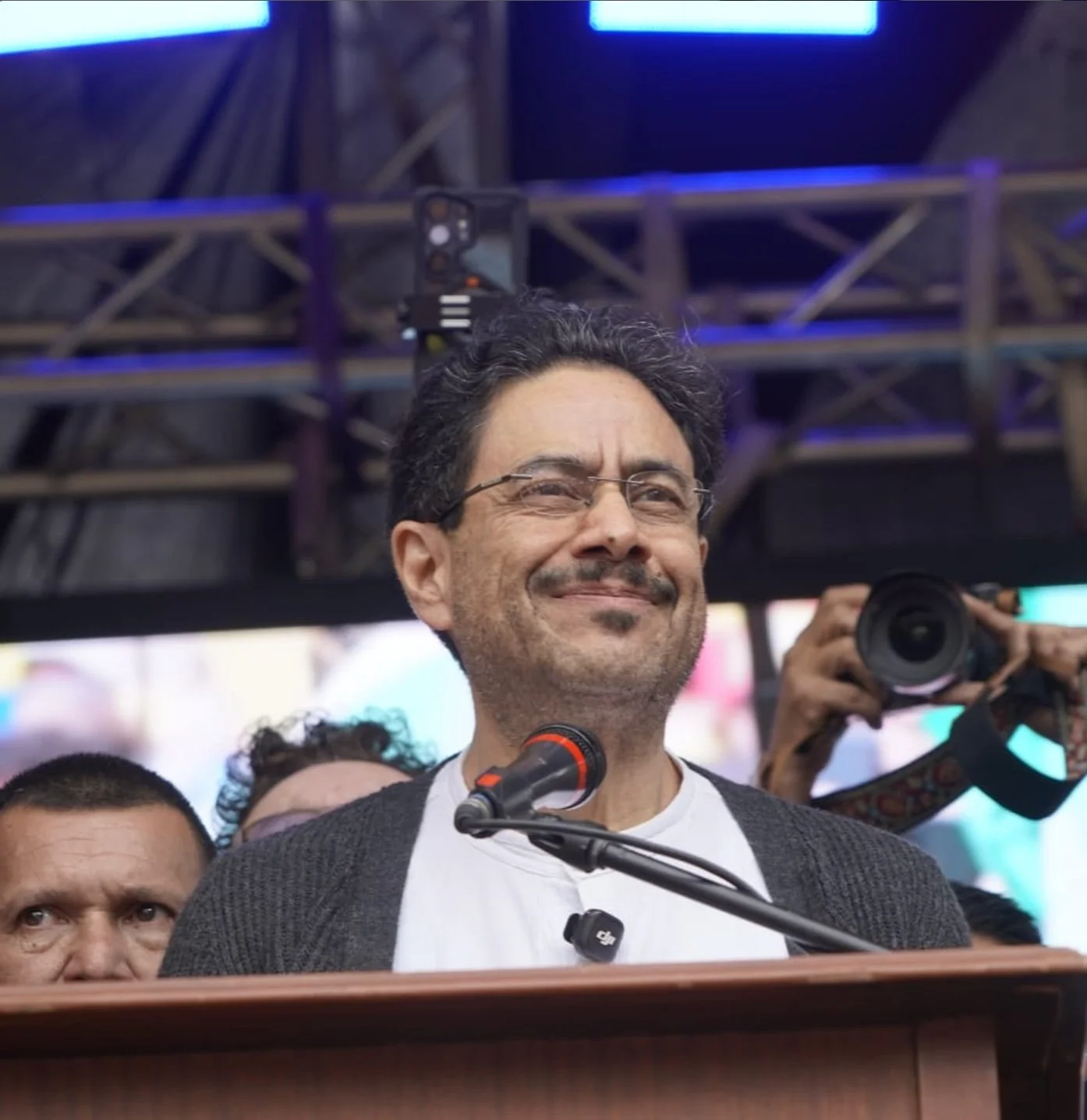
De la Espriella outperformed the polls to take 43.7% in the 31 May first round, with Cepeda at 40.9%—the same pattern of extreme polarization seen across the region, with a third-place center-right bloc (Paloma Valencia of the Centro Democrático) holding the balance of transferable votes. The race was, in practice, a plebiscite: a self-styled, pro-Trump tough-on-crime outsider who nicknames himself "El Tigre" (The Tiger) versus President Gustavo Petro's (left) continuity candidate, a veteran human-rights figure. Each worked hard to delegitimize the other—the right framing Cepeda as a second Petro term and warning against “new communism.” At the same time, Cepeda and Petro have cast doubt on the integrity of the count itself, alleging that hundreds of thousands of votes were questionable. International observers rebutted that as “an irresponsible narrative of fraud,” judging the process orderly and transparent.
The Colombian runoff on June 21 echoed the Peruvian election. Polarization was stark, with De la Espriella defeating Cepeda by less than 1 percentage point—49.66% to 48.70%. One factor that shaped the entire campaign was the assassination of conservative candidate Miguel Uribe Turbay before the first round; he was a serious contender for the runoff, and his killing gave De la Espriella a platform to reinforce his narrative—that Colombia is dangerously insecure and needs mano dura, military deployment, and mass imprisonment. Violence became the center of the debate, and De la Espriella, a great admirer of El Salvador's Bukele, capitalized on the salience of insecurity throughout the campaign.
Iván Cepeda, the candidate of a more populist left-wing movement, came close but failed to persuade Colombians of the merits of a longer-term approach to address organized crime: reducing income inequality, improving police training, and investing in social infrastructure. Unlike in Peru, where only a few days after the June 21 vote, Cepeda acknowledged the results that gave De la Espriella the presidency.
Natasha Kondrashova contributed