
Path to Power Project launched with global insights on democracy and technology
On February 6, 2025, the Hasso Plattner Institute hosted the launch of the Path to Power project, bringing together civil society experts, academics, journalists, activists, and policymakers to discuss the state of democracy worldwide. The event marked the official start of the project under the cluster Digital Technology, Governance, and Policy.
The discussion centered on findings from a comparative study of the 2024 elections in India, South Africa, Pakistan, Mexico, Indonesia, the United States, Mozambique, the United Kingdom, and Georgia. The research highlighted patterns of democratic erosion, technological manipulation, polarization, and the rise of populism.
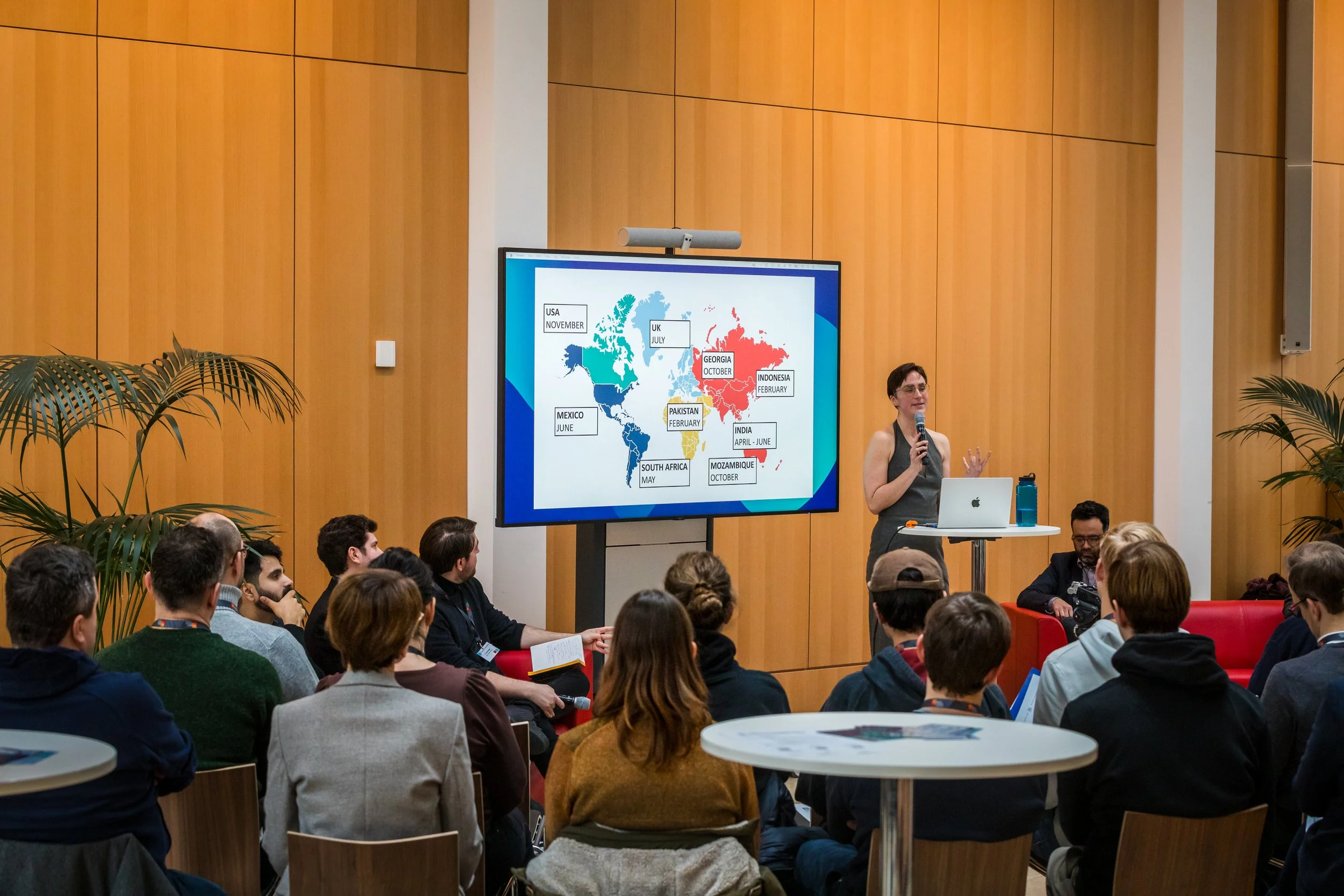
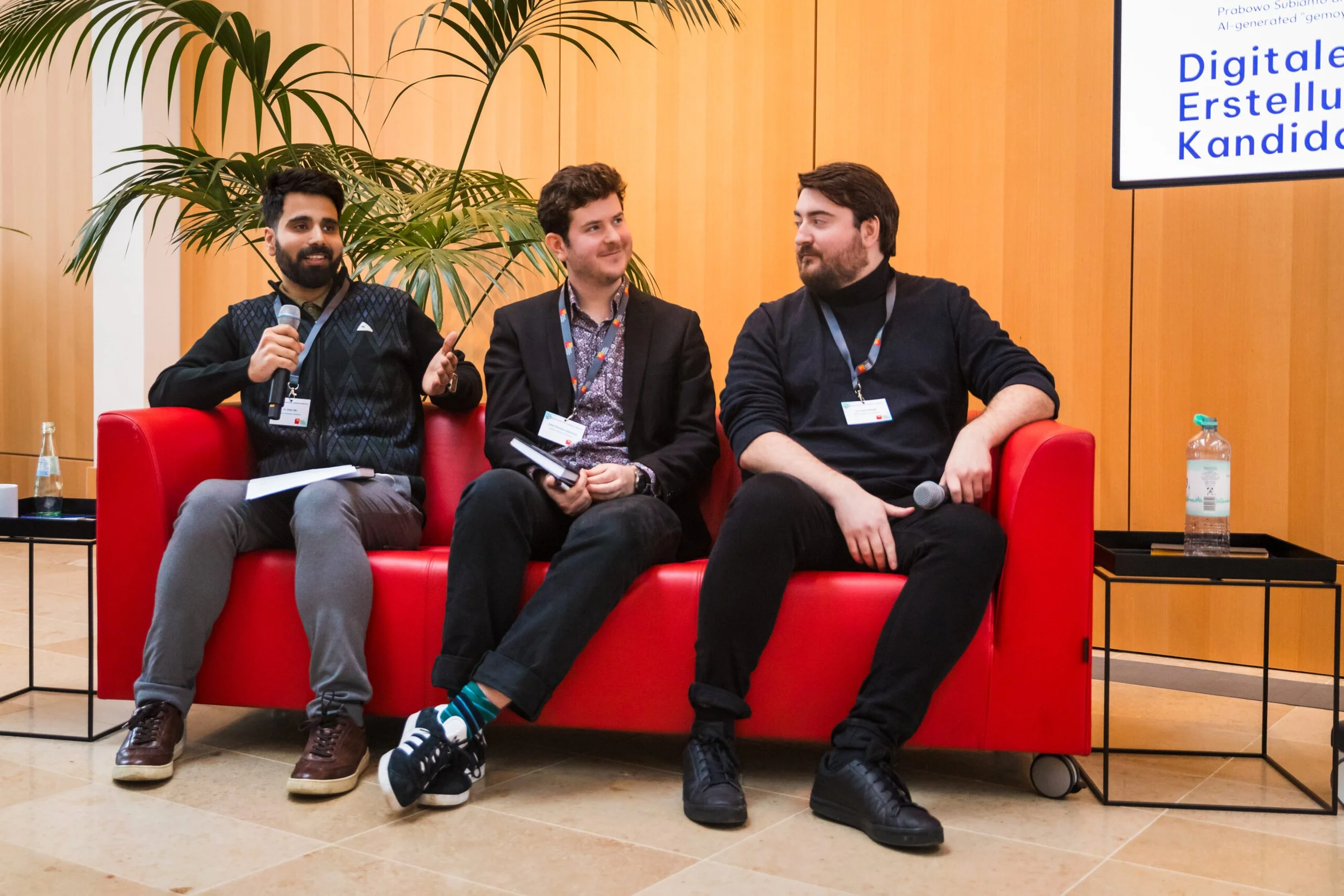
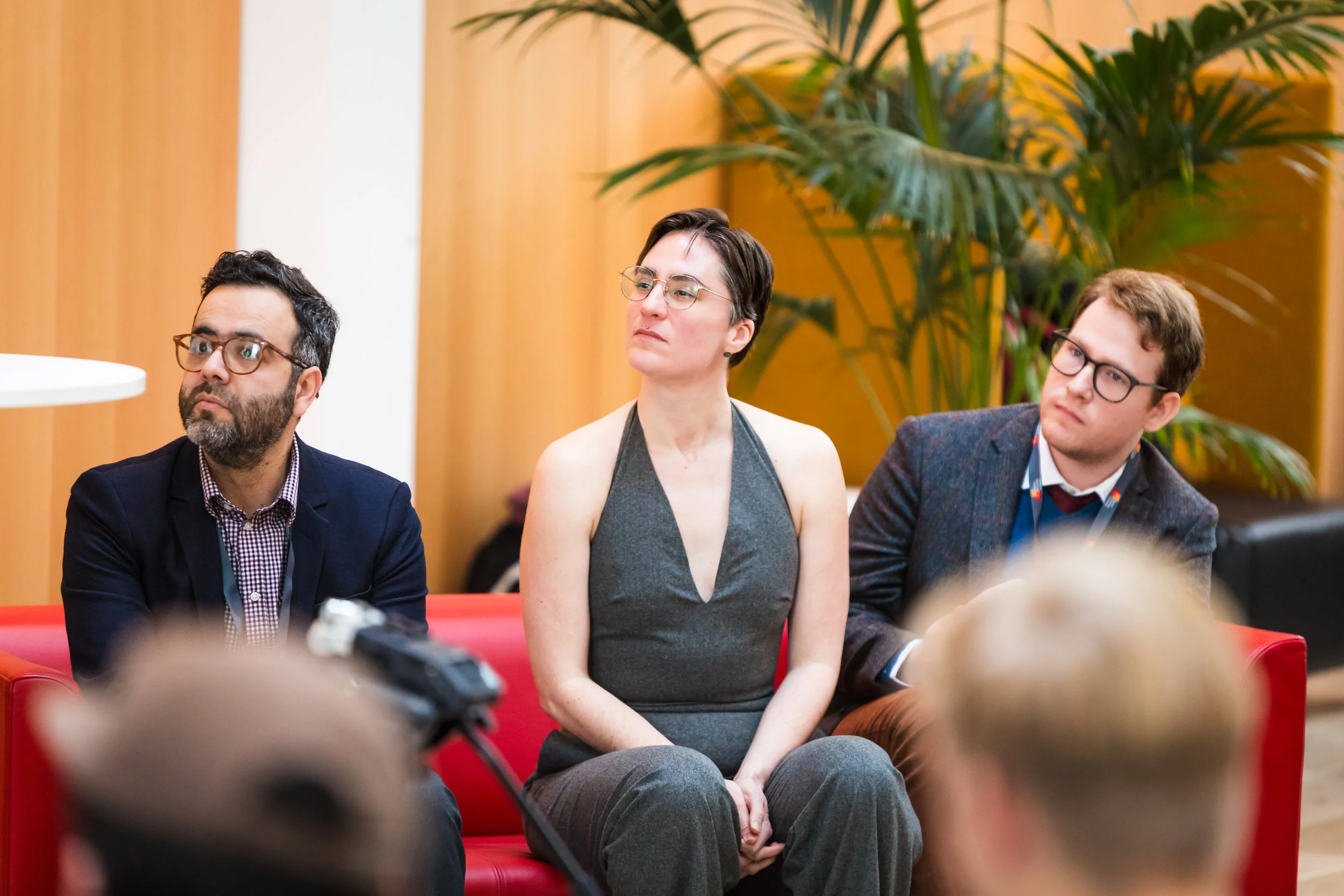
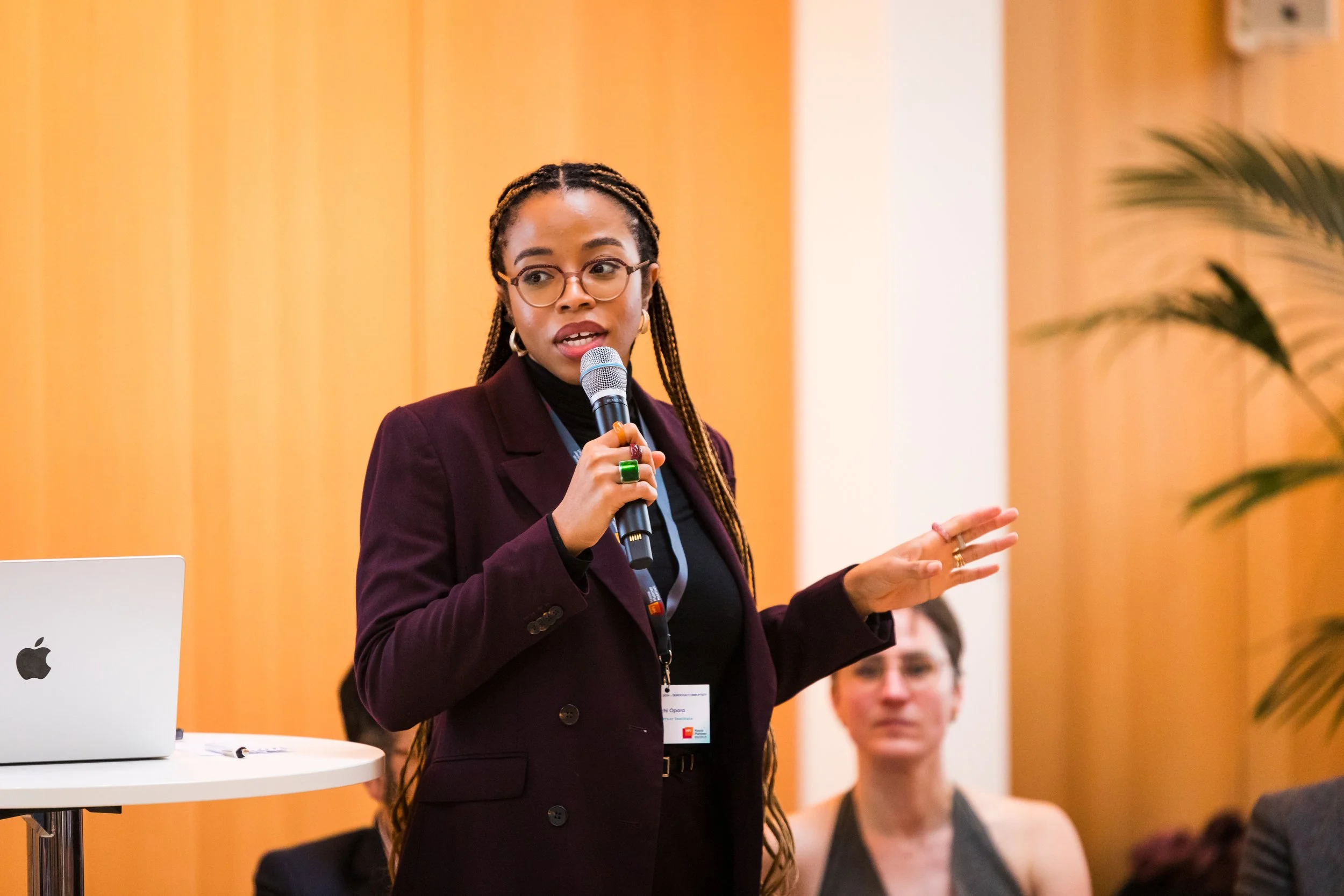
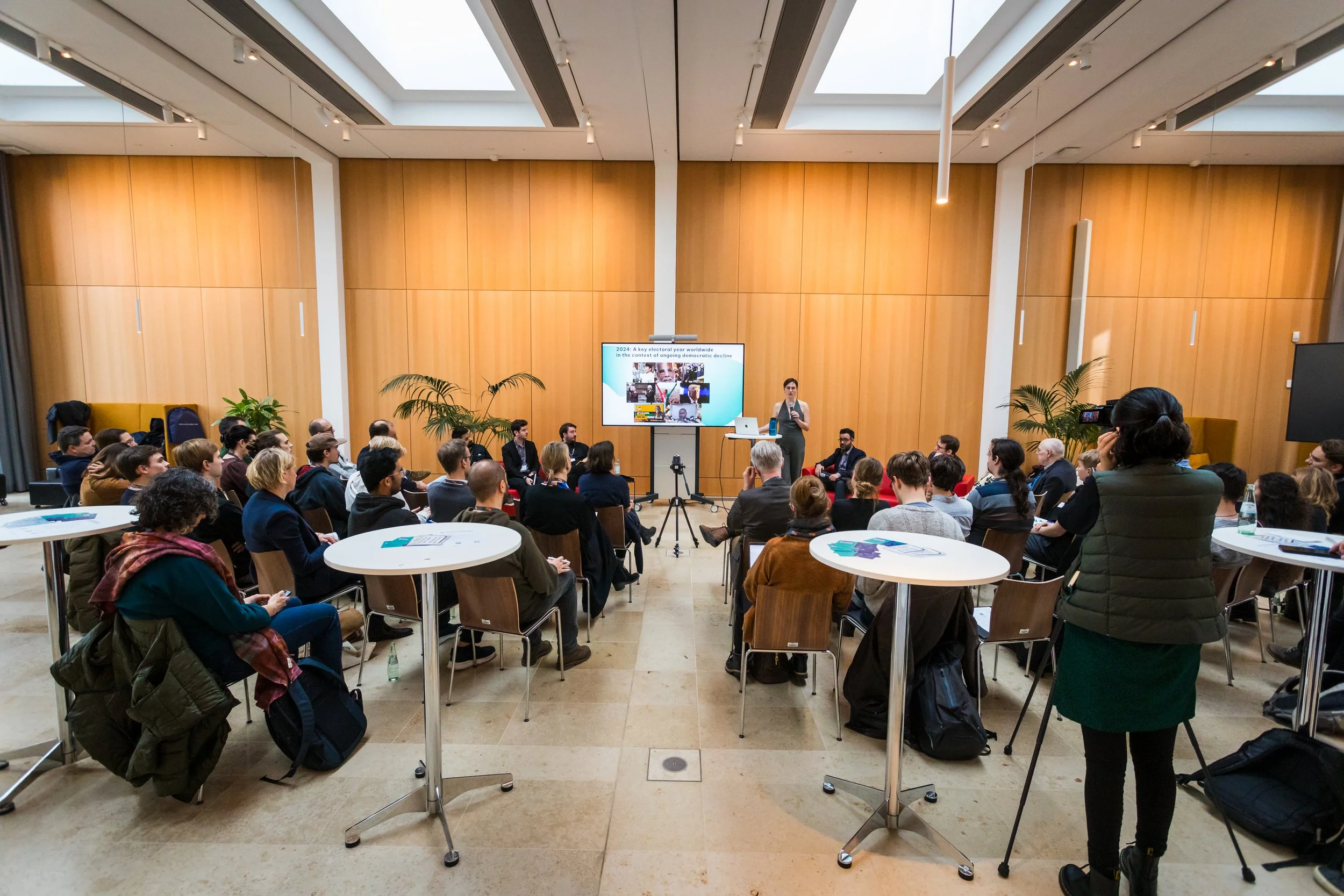
Key Findings from the Study
The team presented eight insights drawn from elections across nine countries, revealing recurring challenges:
Rising violence driven by frustration with political representation.
Digital communication channels that spread hate and polarization.
A growing need for stronger cooperation between states and platforms.
Participants
Prof. Dr. Ralph Herbrich, one of the managing directors at the Hasso Plattner Institute, inaugurated the event by emphasizing the institute’s 26-year legacy and its dedication to computer science and its industrial applications. He addressed the influence of algorithms on electoral processes and stressed the significance of educating individuals about the societal implications of computer science.
Kristian Lempa, Director of the Division of Global Policy, Governance, and Cities at the GIZ, highlighted GIZ’s work in partner countries and the challenges posed by digital authoritarianism versus digital democracy. He concluded by emphasizing the importance of scientific institutions in promoting digital democracy.
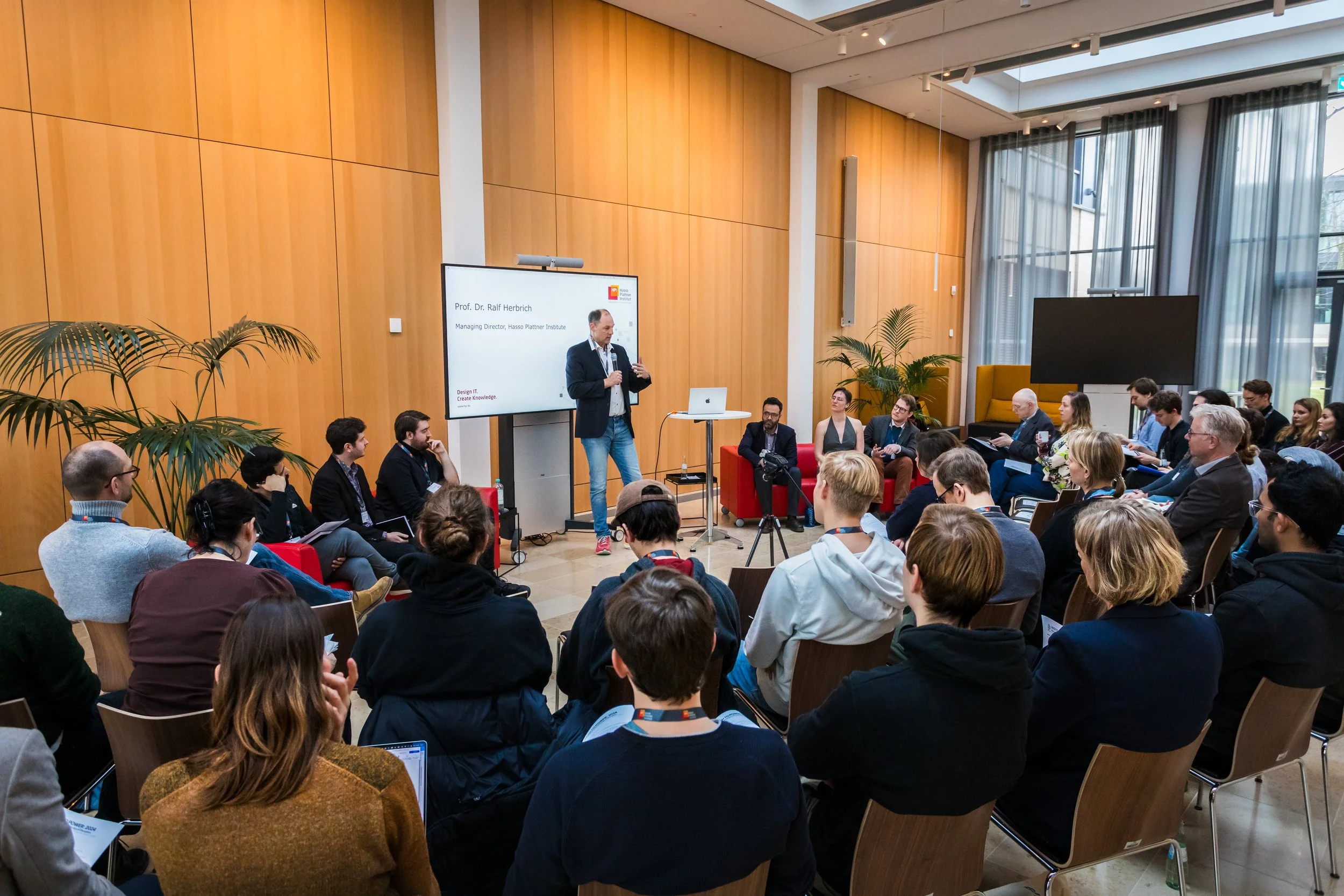
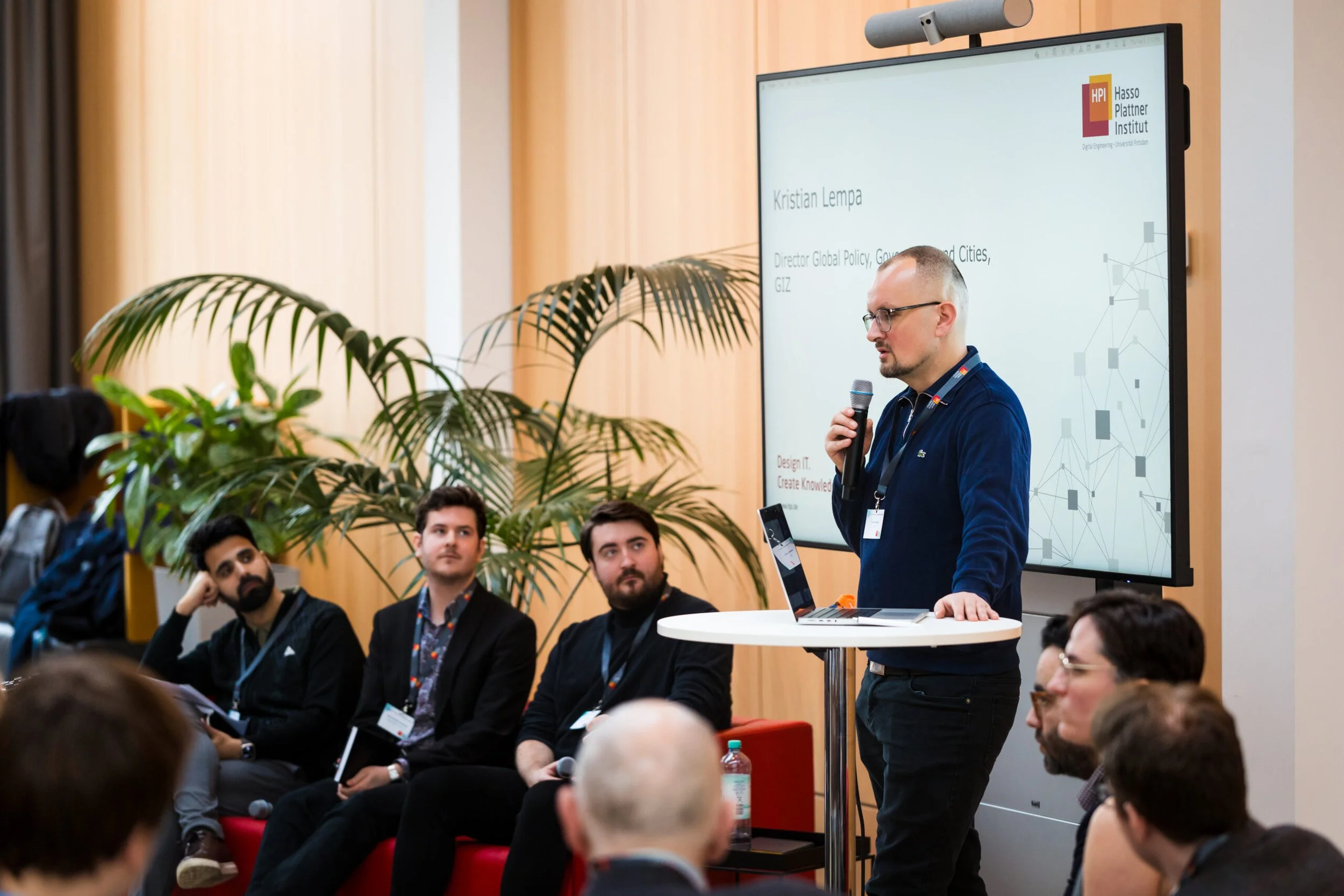
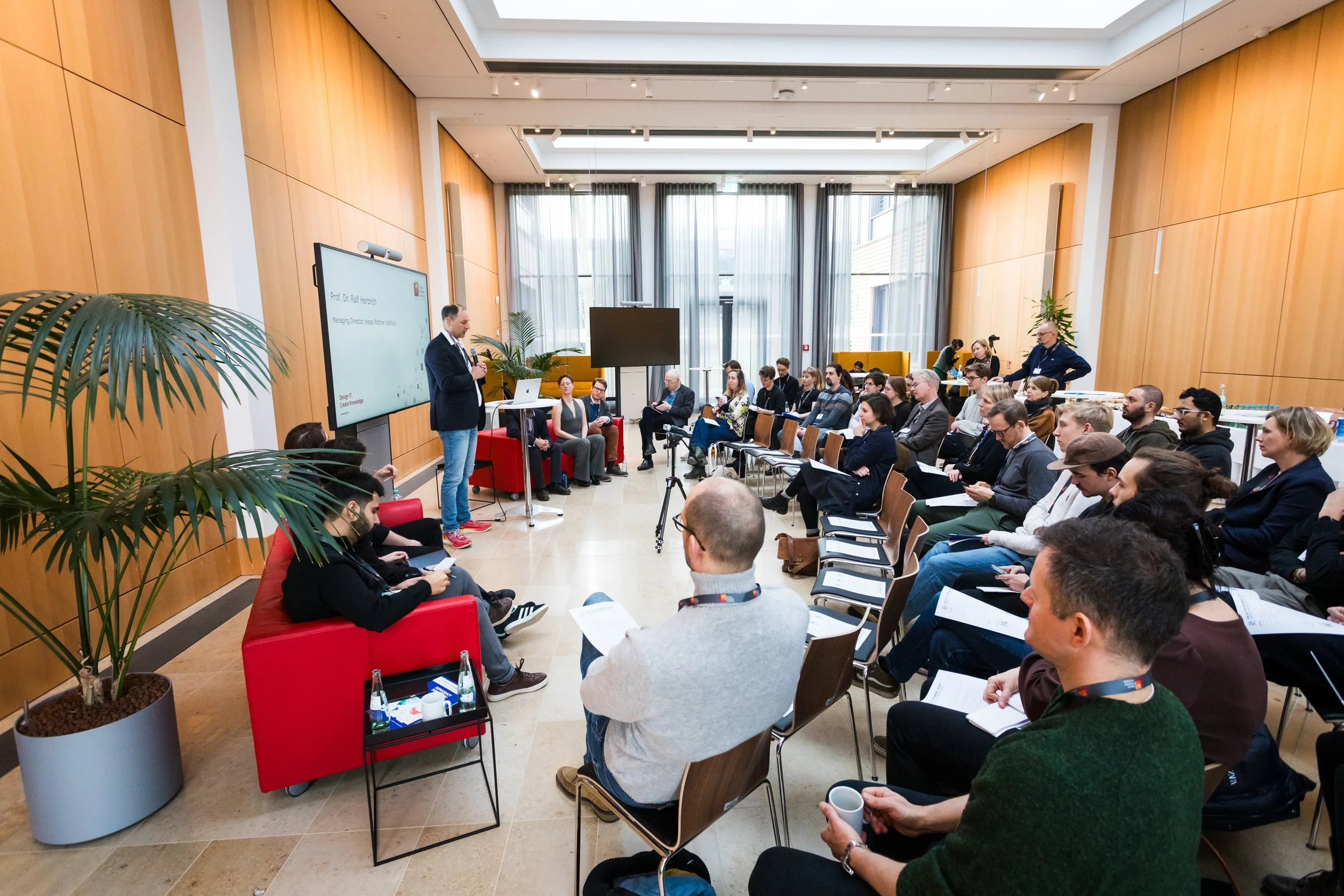
The event brought together stakeholders from German academic and research institutions, the German government, party- and government-affiliated organizations, German NGOs and think tanks, as well as representatives from the private sector and industry:
The Hertie School
The Weizenbaum Institute
Forschungszentrum Informatik (FZI)
The German Institute for International and Security Affairs (SWP)
The German Institute of Development and Sustainability (IDOS)
Konrad-Adenauer-Stiftung (KAS)
The Friedrich-Naumann-Stiftung für die Freiheit
The Deutsche Welle Akademie
Volt
Democracy Reporting International
The German Council on Foreign Relations (DGAP)
The Aspen Institute
Digital Action
Bertelsmann Stiftung
The Apolitical Foundation
The Electronic Frontier Foundation (EFF)
The Egyptian Initiative for Personal Rights (EIPR)
The Otto Group
Fortitude
Looking Ahead
The event concluded with several action points for continued research:
Continue exploring the concept of digital citizenship.
Map the networks that facilitate the cross-border spread of digital authoritarianism.
Investigate how different types of political leaders influence internet freedom and social media practices.
Develop a model that identifies the political leanings of parties and actors based on their speeches and texts.
Integrate findings from this research into computer science curricula to raise awareness about the societal impact of digital technologies.